
Versatile Hearing with Comfortable, Modern Design
Over-the-ear hearing aids are designed with the main body of the device resting behind the ear, where it can house the battery, microphones, and processing technology. This group includes behind-the-ear (BTE) and receiver-in-canal (RIC) hearing aids, both of which offer a comfortable fit, reliable performance, and even offer the potential to leave our clinic with a solution on the same day of your appointment.
BTE and RIC hearing aids differ primarily in where the speaker is located. With a traditional BTE hearing aid, sound travels through a small tube into an earmold or earpiece in the ear. With a RIC hearing aid, the speaker sits directly inside the ear canal and connects to the portion behind the ear with a thin wire. RIC devices are often smaller and lighter, while BTE hearing aids can provide greater amplification and are available in configurations suited for more significant hearing loss.
Over-the-ear hearing aids are also able to accommodate modern features such as rechargeable batteries, directional microphones, wireless connectivity, and advanced sound processing. Depending on your hearing loss, comfort preferences, and daily listening needs, our hearing professionals can help determine whether a BTE or RIC hearing aid is the better fit for you.

Over-the-Ear Hearing Aid Styles
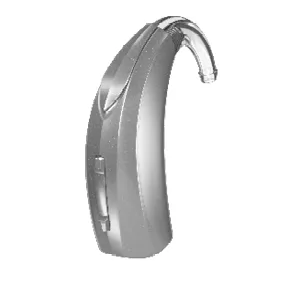
The world’s most common hearing aid style. Over-the-ear hearing aids are available in both standard and power models to support a wide range of hearing loss needs.
-
Receiver-in-Canal (RIC)
Small discreet and quick to fit. Perfect for many first-time hearing aid wearers.
-

Frequently Asked Questions
Find quick answers to common questions about Over-the-Ear Hearing Aids in Santa Fe that patients commonly ask.
What is a RIC hearing aid?
A receiver-in-canal (RIC) hearing aid has a small main body that sits behind the ear and a receiver, or speaker, that sits inside the ear canal. The two pieces are connected by a thin wire. This design allows the portion behind the ear to remain small and lightweight while placing the speaker closer to the eardrum.
What is a BTE hearing aid?
A behind-the-ear (BTE) hearing aid places the main electronic components, including the speaker, inside a case worn behind the ear. Amplified sound travels from the hearing aid through a small tube to an earmold or earpiece inside the ear. BTE hearing aids are available in different sizes and power levels and can accommodate a wide range of hearing losses.
How do behind-the-ear hearing aids work?
BTE hearing aids use microphones located on the device behind the ear to collect sound from the environment. That sound is digitally processed and amplified according to your hearing needs before traveling through tubing to the earpiece or earmold in your ear. Modern BTE hearing aids can also include features such as rechargeable batteries, directional microphones, wireless connectivity, and automatic adjustments for different listening environments.
Are behind-the-ear hearing aids better than in-the-ear hearing aids?
Neither style is universally better. Behind-the-ear hearing aids can provide greater power, longer battery life, and room for additional technology, while custom in-the-ear styles may appeal to patients who prefer having the entire device contained within the ear. Your hearing loss, ear anatomy, dexterity, lifestyle, and personal preferences all affect which style is most appropriate. A hearing professional at SoundPoint Audiology in Santa Fe can help you compare the options based on your needs.
What is the difference between BTE and RIC hearing aids?
The primary difference is the location of the speaker. In a BTE hearing aid, the speaker is housed in the device behind the ear and sound travels into the ear through tubing. In a RIC hearing aid, the speaker sits directly inside the ear canal and connects to the behind-the-ear portion with a thin wire. RIC hearing aids are often smaller and lighter, while BTE devices can accommodate fittings that provide greater amplification when needed.
Are RIC hearing aids a good choice?
RIC hearing aids are a popular option because they combine a lightweight design with comfortable fitting options, modern hearing technology, and strong sound performance. Many patients find that properly fitted RIC hearing aids are barely noticeable during everyday wear. Rechargeable models can also provide extended battery life, although actual use between charges depends on the specific hearing aid and features being used.
Can you wear behind-the-ear hearing aids with glasses?
Yes. Most people can comfortably wear BTE or RIC hearing aids with glasses. The hearing aid and the arm of the glasses both sit behind the ear, so selecting the appropriate hearing aid size and positioning can make a difference in comfort. Your hearing care professional can help adjust the fit so your hearing aids, glasses, and other accessories can be worn together comfortably.
